How to Keep Produce Fresh Longer + Free Printable Storage Guide
This post may contain affiliate links for your convenience. Read my full disclosure policy here.
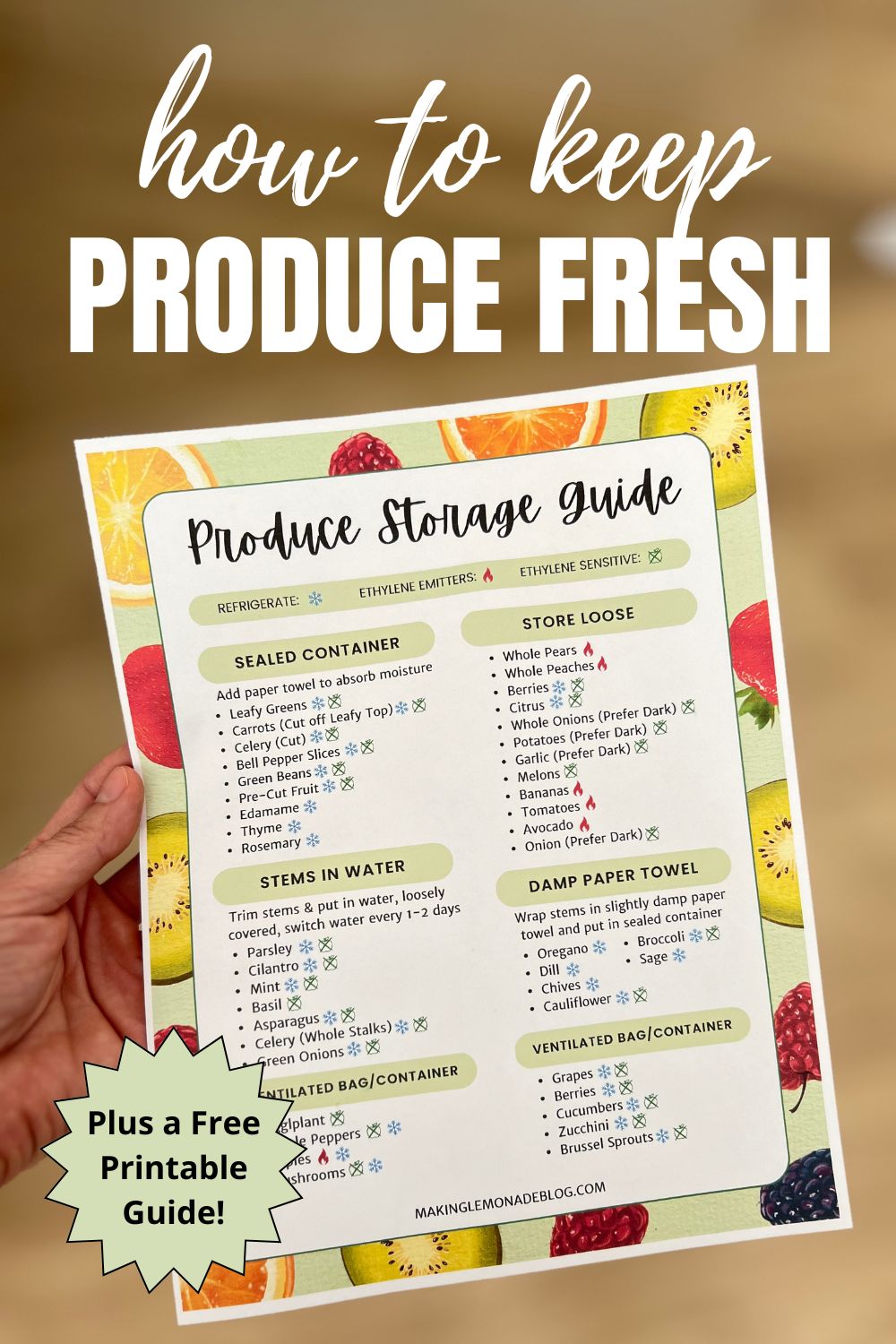
Learn ten simple tips to keep your produce fresh longer and grab a Free Printable Produce Storage Guide for your refrigerator.

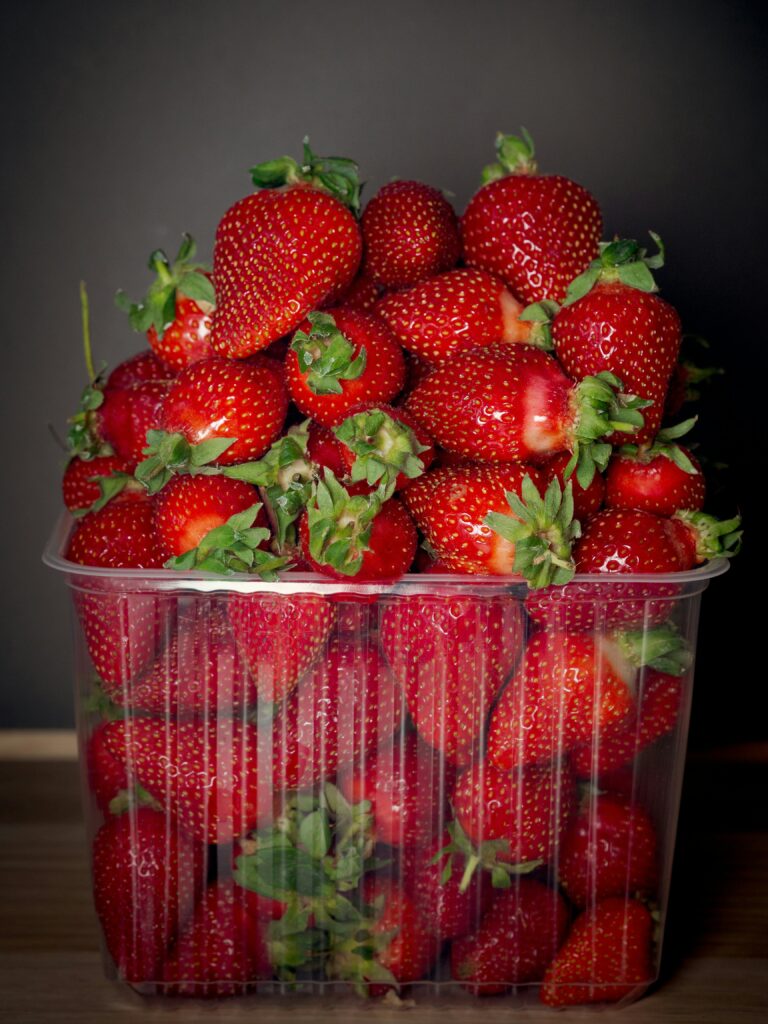
We all have that one fruit we can never get the quantity right on. For me, it’s strawberries. If I buy one container, they’re gone before the week is up. But if I buy two, both somehow turn into fuzzy science experiments by midweek. It’s a cruel grocery paradox: buy too few and you run out, buy too many and they spoil.
After far too many mushy berries and wilted herbs, I started paying closer attention to how I store my produce. And honestly? A few small tweaks have made a big difference. These days, my groceries last longer, my fridge smells better, and I waste a whole lot less food.
Below, I’m sharing ten of my favorite tricks for keeping produce fresh longer, plus a Free Printable Produce Storage Guide to put on your fridge.
10 Produce Freshness Hacks
1. Know Your Enemies
Before we get into storage tricks, it helps to understand what causes produce to spoil.
Moisture: too much water = mold, sogginess. Too little = wilting.
Air (oxygen): speeds oxidation, dries things out.
Ethylene gas: many fruits (see hack #6) emit it, and it causes nearby produce to ripen. So if you stick an apple next to your berries, they’ll spoil faster.
So many hacks are just clever ways of managing those three enemies.
2. Don’t Wash Too Early
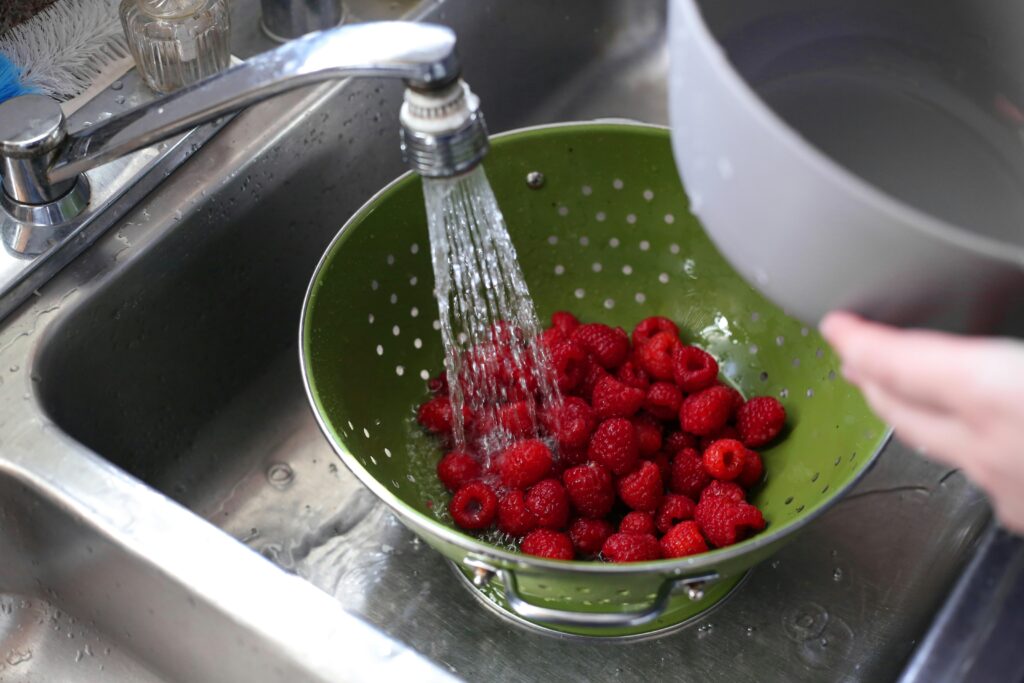
Washing produce as soon as it comes home can backfire. Wet leaves or berries tend to mold faster, so store most produce unwashed and rinse right before eating.
If you must wash it first, then dry thoroughly using a salad spinner or kitchen towel. Store it with an absorbent layer (see hack #4).
3. Be Thorough with Trimming, Inspecting, and Rotating
As soon as you get home:
- Remove bruised or moldy spots
- Take off rubber bands and ties
- Store older items in front, newer in back
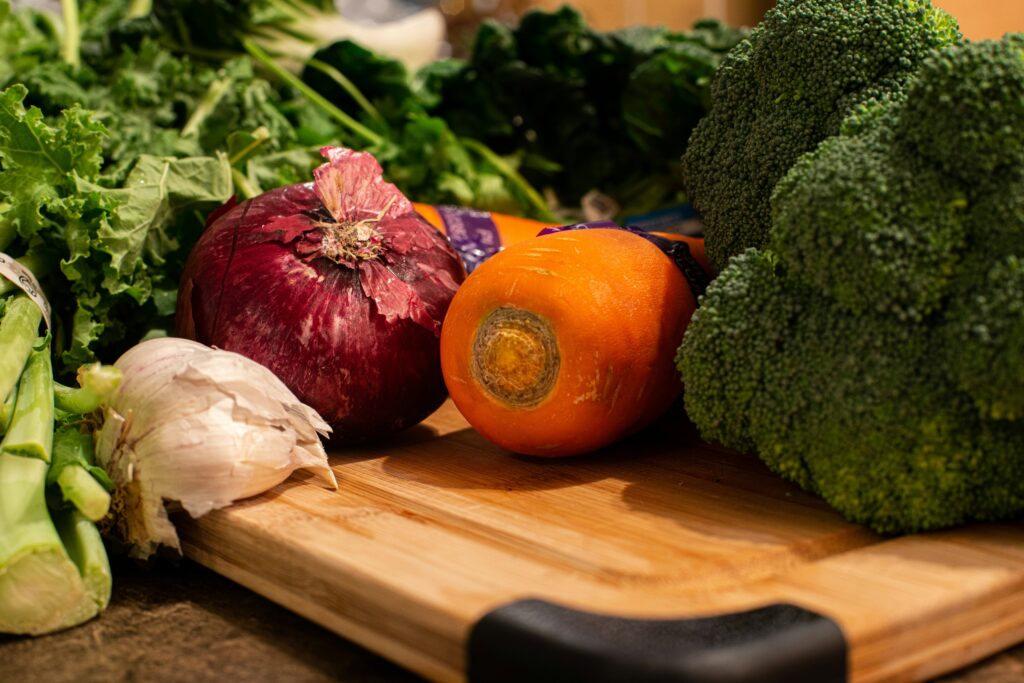
- Trim leafy tops off root veggies (like carrots)
A little extra effort upfront to check and trim your produce will save you a fridge full of regrets later.
4. Create an Absorbent Layer
For leafy greens, herbs, berries, grapes and even chopped vegetables, place a dry paper towel (or cotton kitchen towel) under and over them inside a sealed container. Replace the towel when it gets damp. That towel soaks up excess moisture and prevents sogginess.
5. Use The Right Containers
Not all produce likes the same kind of storage. Some need to breathe, and some do better sealed.
Let it breathe: Berries, grapes, mushrooms, tomatoes, and citrus can get soggy or moldy if trapped in a tightly sealed container. Use vented containers, a paper bag, or a loosely covered bowl so air can circulate.
Seal it up: Leafy greens, herbs, chopped veggies, and anything already prepped prefer airtight containers. Add a dry paper towel or cloth to soak up extra moisture, then seal the container to keep everything crisp.
Glass jars, BPA-free containers, or even mason jars work beautifully, and crisper drawers help too (though they aren’t perfect).
My personal favorite are these Produce Storage Containers. Each one has a built-in colander that keeps your fruits and veggies lifted away from moisture, plus vented lids for produce that needs to breathe. When you’re ready to rinse or serve, you can just pull out the insert, no extra strainer needed.
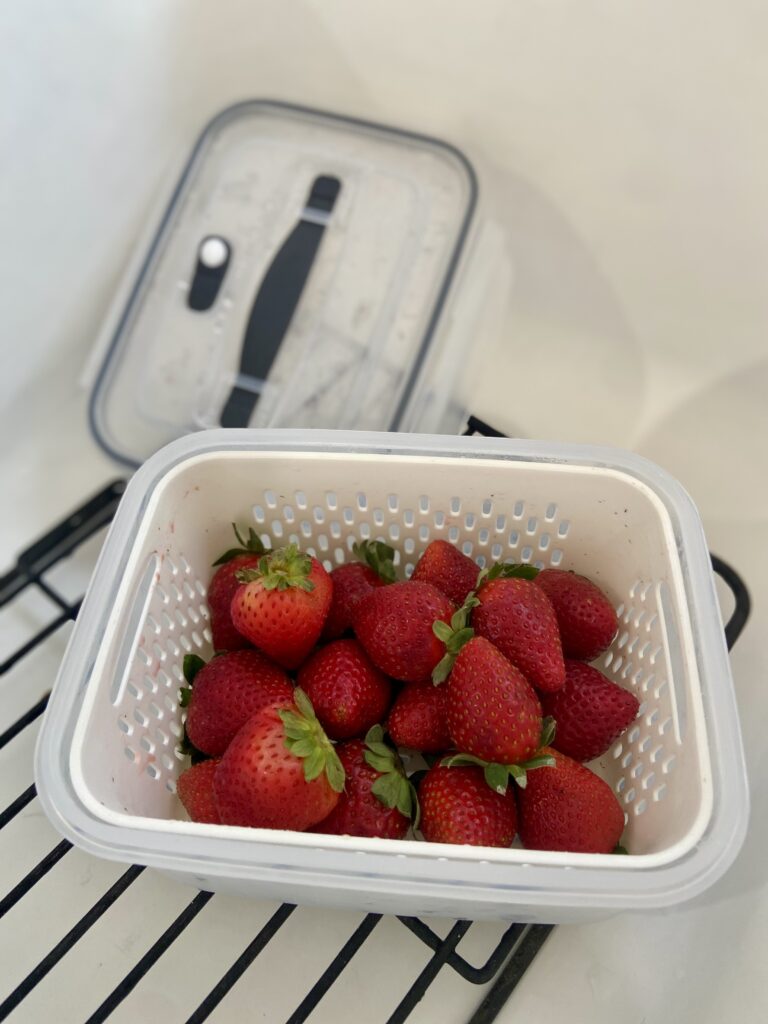
The key: minimize airflow that accelerates spoilage without trapping humidity that encourages mold. Once you know which produce likes to breathe and which prefers a seal, it’s much easier to keep everything fresh longer.
6. Separate Ethylene Emitters from Sensitive Produce
Some fruits and veggies give off ethylene (ripening gas), and others are sensitive to it. Keep these groups apart.
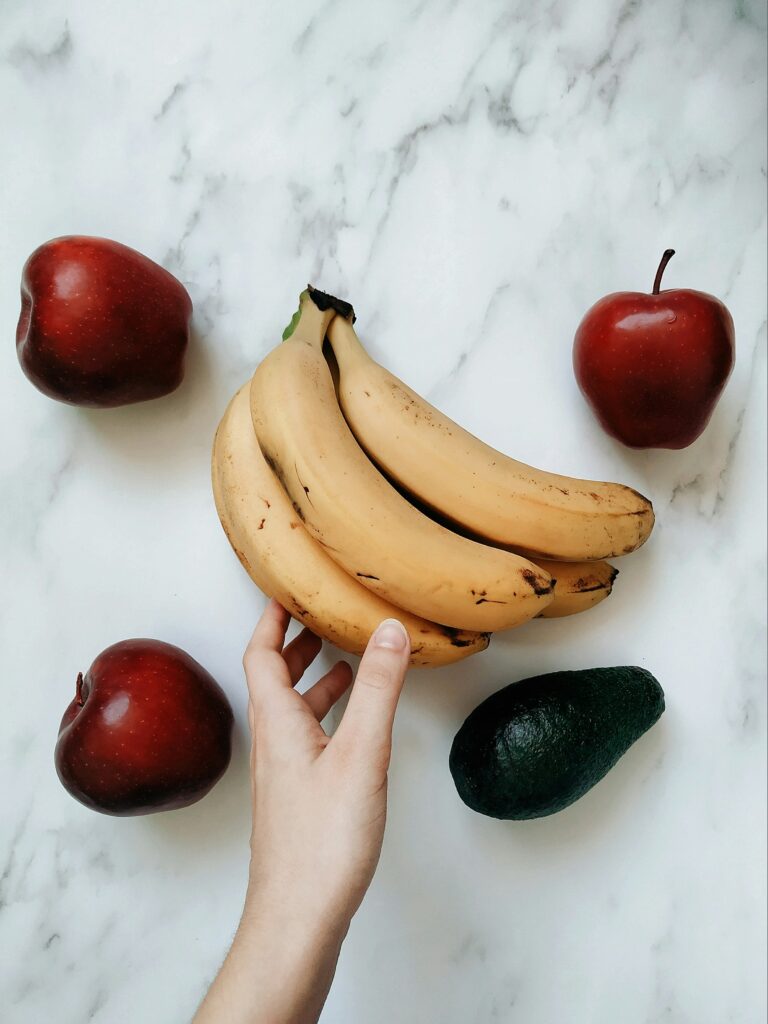
Emitters: apples, bananas, avocados, peaches, pears, tomatoes
Sensitive: grapes, berries, leafy greens, cucumbers, citrus, onions, garlic, green beans, carrots, celery, green onions, asparagus, basil, eggplant, whole peppers, mushrooms, bell peppers, parsley, cilantro, mint, broccoli, zucchini, Brussel sprouts and cauliflower
7. Store Herbs Like Flowers
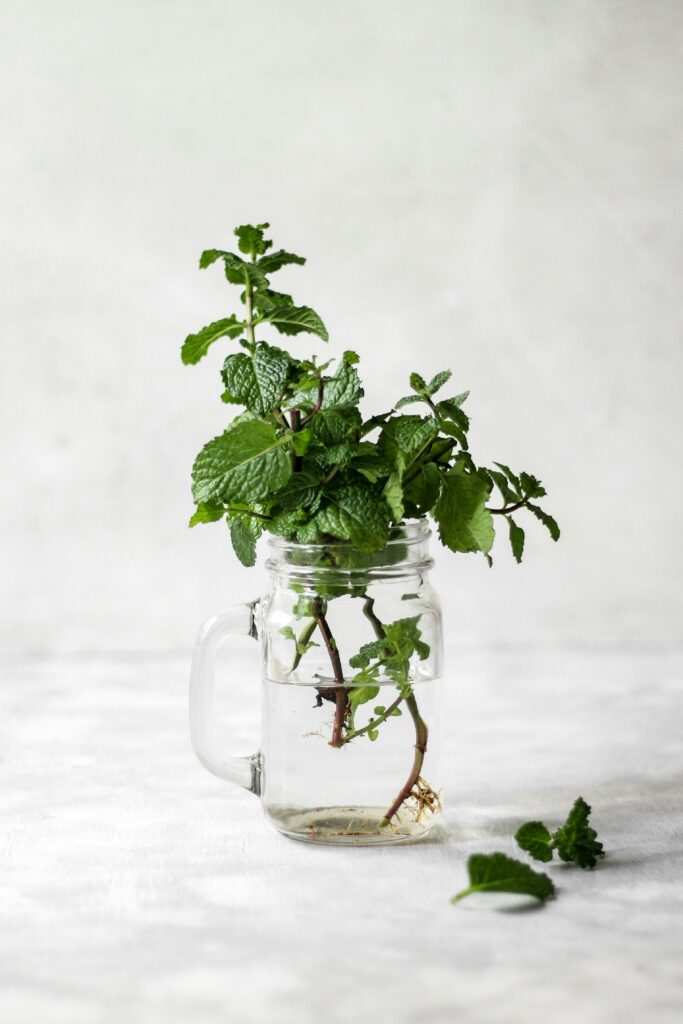
Herbs like parsley, cilantro, and mint thrive when treated like a bouquet:
- Trim the ends
- Put stems in a jar of water
- Loosely cover with plastic wrap and place in the fridge
- Change the water every day or two
Basil has special preferences. It prefers room temperature rather than the fridge. Harder herbs, like rosemary, thyme, oregano, chives and dill do well wrapped in a damp paper towel inside a container.
If you use lots of fresh herbs, it might worth investing in this Herb Storage Container.
Some veggies prefer being stored in water as well, including asparagus, celery and green onions.
*Important: Don’t forget to change the water every 1-2 days.*
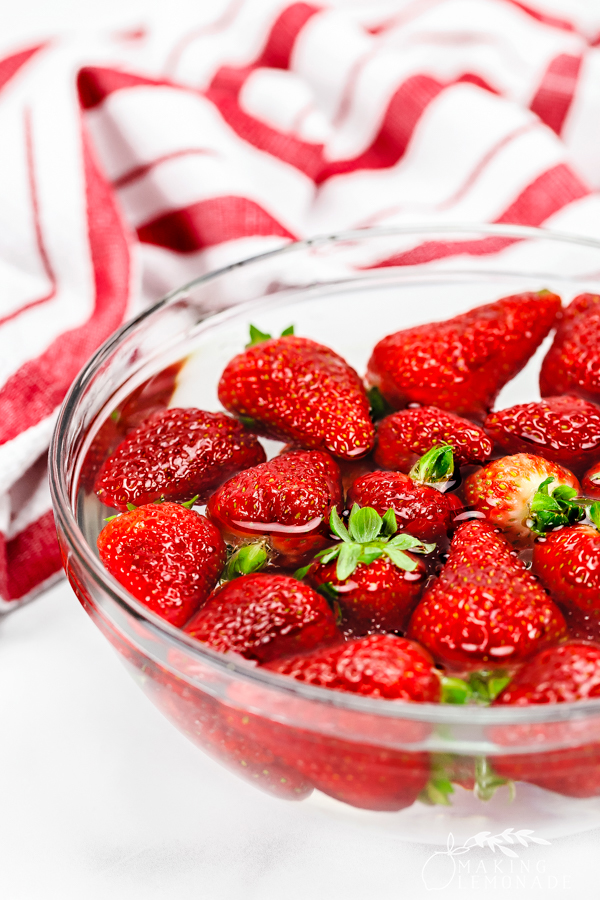
8. Use Vinegar to Prevent Mold on Berries
If berries are your “can’t win” food like me, try this trick to kill mold spores:
- Mix 1 part vinegar with 3 parts water
- Gently swish the berries, then rinse with plain water and dry thoroughly
- Store in a paper towel–lined vented container
9. Slow Ripening in the Refrigerator
Fruits like avocadoes, pears, peaches and plums should be kept at room temperature until ripe. Once ripe, they can be moved to the refrigerator to slow ripening.
10. Refresh Produce with a Quick Soak
If something looks a little wilted — like lettuce, herbs, or carrots — don’t toss it just yet. A short soak in ice water can perk it right back up.
- Submerge the produce for 15–30 minutes
- Pat dry completely before storing again
This trick revives limp greens and veggies surprisingly well. It’s like a mini spa day for your produce.
Other Helpful Tips:
- Most citrus is safe at room temperature or in the fridge. However, it will last longer if kept in the fridge.
- Place your fruit in a paper bag if you need to speed up the ripening process.
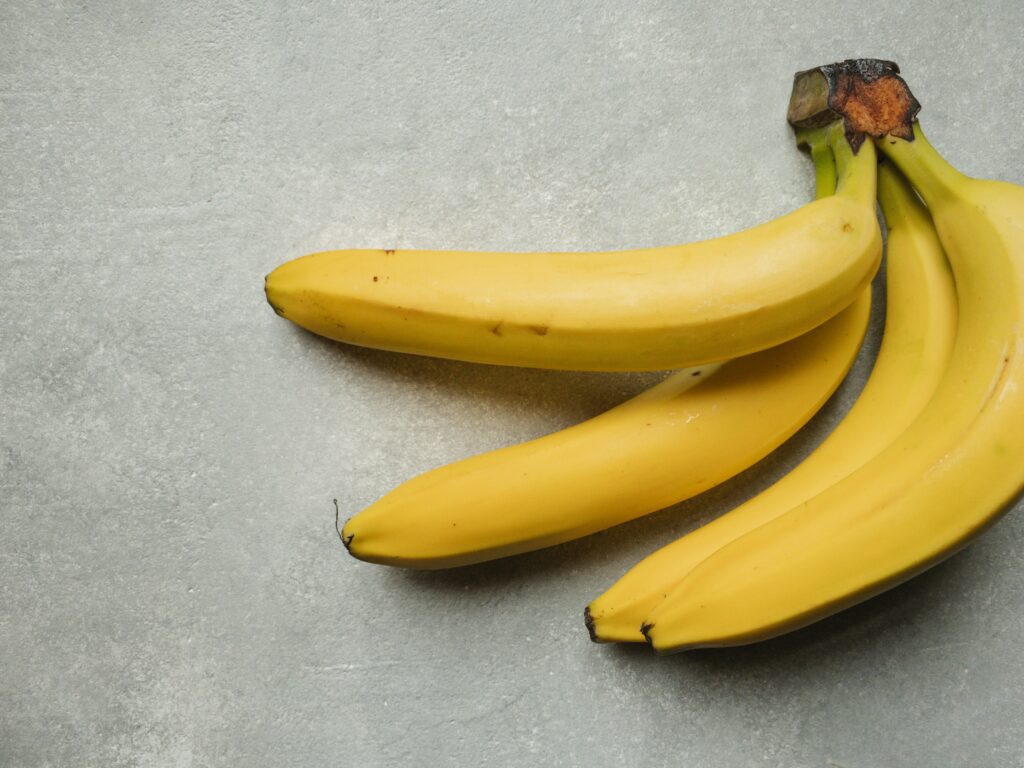
- Bananas are the king of ethylene production. They emit enough ethylene to quickly ripen several nearby fruits.
Free Printable Cheat Sheet: Produce Storage Guide
If you’re anything like me, you’ll leave this page full of good intentions and forget every single tip the next time you unpack your groceries. Next week you’ll be staring at a bunch of basil thinking, “Wait, was this the one that hates the fridge?”
Don’t worry! I’ve got you. I made a free printable Produce Storage Guide so you can quickly check how to store each fruit, veggie, and herb (including basil’s special room-temperature status). Stick it on your refrigerator and it will be handy when you need it.
Before You Go (And Before the Strawberries Spoil Again)
Every fridge and household is different, so experiment until you find what works best for you. Label things with dates, keep an eye out for those first fuzzy spots, and don’t be afraid to toss what’s gone bad — no one wins against moldy strawberries.
The goal isn’t to make produce last forever. It’s to enjoy it while it’s still fresh and delicious. With a few of these simple tweaks, you’ll stretch your groceries, waste less, and maybe even conquer your own “strawberry paradox.”